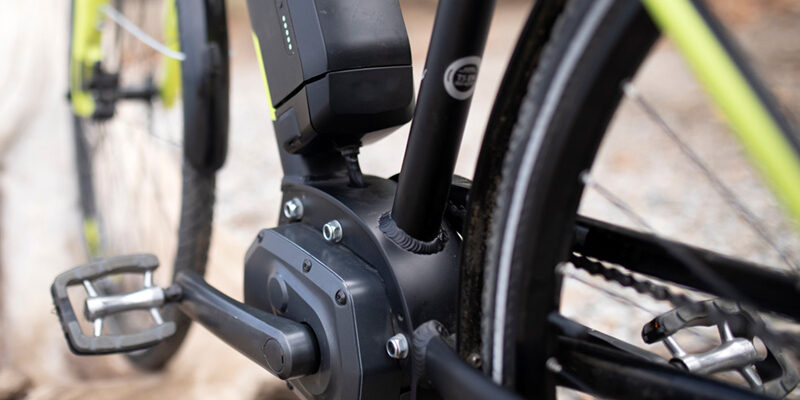
The implications for and from the use of E-Bikes and Scooters in the residential element of the market place as well as issues from other lithium products, technology based, tools and DIY all create situations that are in most cases massively misunderstood by the RP or other occupants in the building
The bike and scooter situation has developed faster in metropolitan areas much faster due to the fact that people stay using these vehicles for their daily commute , school college or work as they are cheap to use and will avoid, in most cases parking and congestion costs
The risk is unseen by most, but it lurks beneath the surface of their day-to-day silent but waiting to bite
From the perspective of the risk assessor we would not encourage this type of vehicle being brought into the building at all let alone being brought inside and then charged up for reasons that are obvious to the author but maybe less so to others on the other side of the fence
The speed and ferocity of a thermal runaway fire from damaged, faulty or cheap poorly constructed batteries in bikes and scooters is not to be taken lightly, they give of poison gas and burn at extremely high temperatures that will destroy everything around them
These fires cannot be dealt with via conventional portable extinguishers or sprinkler/misting systems so if you consider the “what do I do” question the simple answer is to keep them outside at all times regardless of of the risks of theft or vandalism (they are the owners responsibility)
Allowing bikes and scooters into living/sleeping accommodation increases the risk and fire load along with the potential for these being kept on landings or stairwells which will inhibit escape, let alone the risk of the use of communal sockets on landings for charging them overnight
Also within this conversation the expectations of your insurance provider must not be overlooked as IF these vehicles are brought into the building then they need to be appraised to ensure sure that if you do have a situation that they will indemnify and that must not be assumed to be the case
The significance and consequences of a very high temperature toxic fire could have catastrophic consequences and the need for both adequate insurance for both the damage and the consequential loss it will create is essential
Keep them outside whenever possible must be the order of the day
Even issues with food deliveries where potentially modified E-Bikes end up in or on the property (some having been significantly modified for longer endurance when shared over a 24hr period) need to be kept outside and away from potential points of escape should these create a fire situation that then compromises persons within the building
Issues with portable devices is just as problematic but much much harder to manage as most of this activity will take place behind closed doors, suffice to say that in the event of a thermal runaway fire inside a flat or apartment is likely to end very badly for the occupant, heat, gas and everything that goes with such a situation and their ability to survive such a situation makes for serious thought
Portable tools used by contractors on-site should, wherever possible be controlled by a strong RAMS plan with the charging of such tools inside the building from the clients own 230v sockets prohibited as you will not know the history of these devices, damaged battery units can easily lead to fire from faulty battery units or sometimes overloaded charging points with multiple devices coming from an adaptor lead
The buildings insurance providers should be appraised as this would be deemed a material fact and they may take a more defensive position on their part and not want to provide cover where the risks are so significant and consequences potentially so serious
In summary, the overall issue here is serious but in a lot of cases unseen until there is a situation by which time it is too late, awareness and strong management to control and where necessary exclude lithium provision within a property needs to be part of ongoing control for a building and for medium and high-rise the management of such sites needs to be robust with regular unannounced visits, and sanctions where occupants and even visitors are cheating and all those within the building are then at risk in the event of a thermal runaway situation
Steve Dilloway BAFE SP205 Certified Risk Assessor ID 302298